Propagation Tips
There is two main methods of propagation. Splitting and Eduction. Both methods can be used to successfully create more colonies from your exisiting hives of native bees.
Each type of propagation is quite technical and cannot be summaries quickly in a blog article. If you have not split a hive before we do recommend you attend a community workshop to learn the process or get in touch and we can come and split your hive.
In this blog post I just wanted to give a few quick tips that can help your propagation.
Ensure you have all equipment necessary prior to opening the hive. (Equipment needed: Correct Sized Empty Box, Hive Tool, Methylated Spirits for Sterilisation of tools, Cutting Blade, steady work surface, Personal Protective Equipment, Insect Veil, Long Sleeve Shirt and Hat.
Choose a propagation method that suits the time you have avaliable. Eduction can take a long time and requires consistent checking, generally weekly. Splitting takes less time but involves opening the hive up which can be more intimidating for some beekeepers.
Timing and Weather. Choose a calm clear day to perform your split or initiate propagation. On calm clear days the bees can be much more responsive to propagation. Best time of year to split is dependant on your location but as a general guide, from Oct-Dec is usually a good choice.
Some useful products for propagation are linked below.


Australian native stingless bees make propolis by gathering plant resins and mixing them with wax from special glands. Small amounts of propolis can be harvested responsibly from strong hives.
Native Bee Propolis can contain over 300 compounds and has shown to be highly bioactive, with antioxidant, antimicrobial and anti-inflammatory activity.
Our propolis is harvested and packed directly from healthy hives of Australian stingless bees in the Byron Hinterland (Tetragonula Carbonaria). It's pure, with no additives or fillers.
The Propolis is filtered to remove debris, providing you with the best value. It contains both wax and resins, essential for constructing new hives.
Beekeepers use propolis for lining native bee hives, supporting hives during challenging conditions. Others make remedies for skin conditions and burns. Soaps, balms, candles and toothpaste can also be made from native bee propolis. It is also used traditional as the capping for didgeridoos.
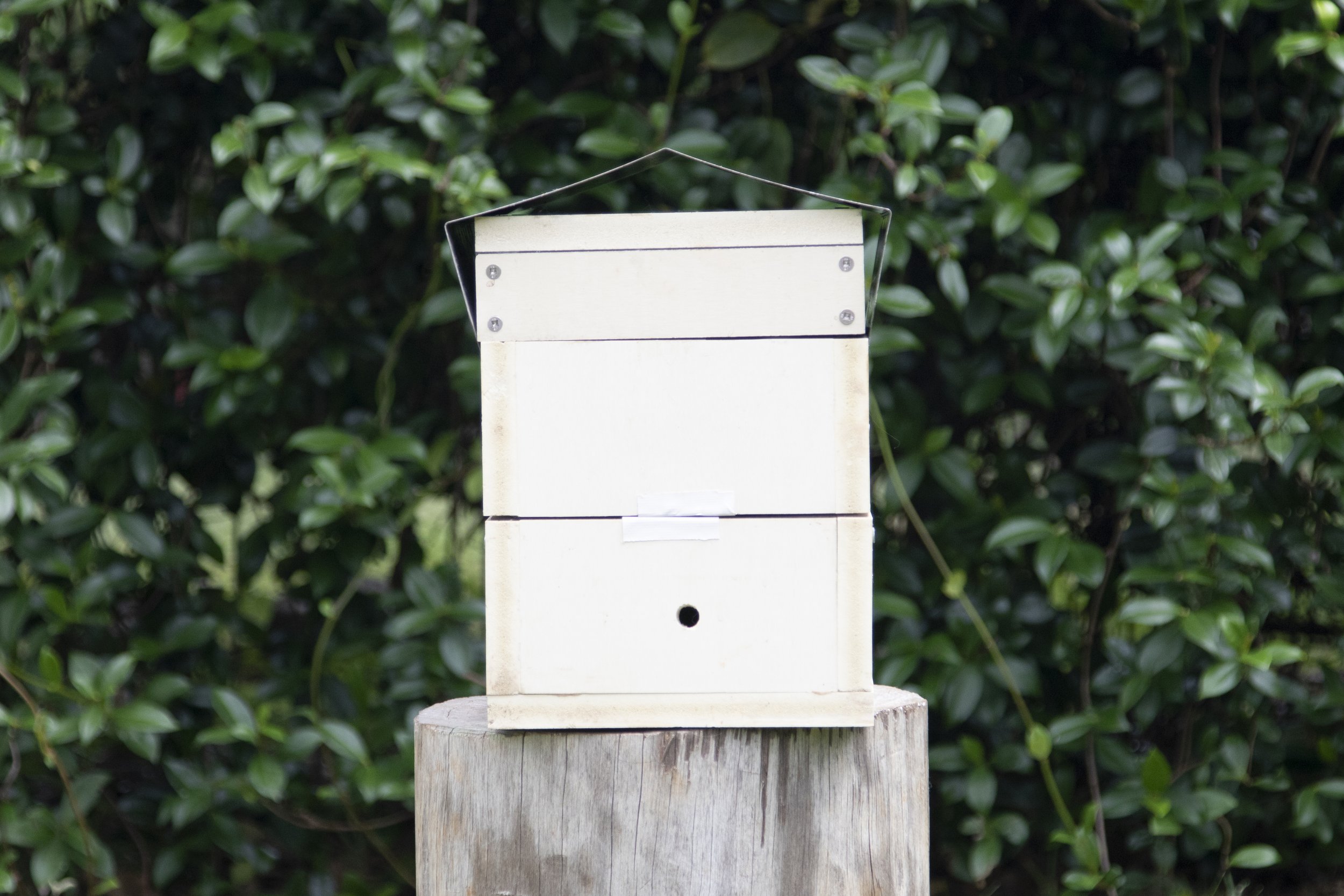
Empty hives come complete with:
2 brood compartments
2 brood separators
a honey super
a bracket
a tin lid
The boxes are made from a durable, lightweight composite material. They are rot resistance, do not require painting and wont attract termites.
Do you need bulk pricing? Contact us to get a quote on bulk supply of empty hives. info@australiannativebeeco.com
Price includes GST.
